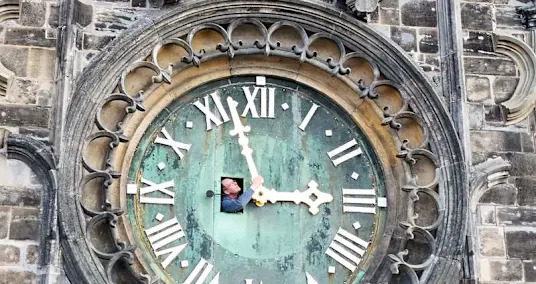
Clocks across the majority of European countries are set to go forward by one hour early on Sunday as the continent moves to daylight saving time, also known as summer time.
Clocks in most European nations including Germany advance by one hour at 2 am (0100 GMT) to 3 am, heralding longer evenings and brighter days.
This means that for the coming months parts of Europe will be on Central European Summer Time (CEST), before moving back to Central European Time (CET) in the autumn, when clocks go back again by an hour on October 25.
The aim of the change is to make better use of daylight in the shorter days of the winter in the northern hemisphere.
The signal for the automatic changeover of the clocks in Germany comes from the Federal Institute of Physics and Metrology (PTB) in the northern city of Braunschweig, also known as Brunswick in English.
The institute's experts ensure that radio-controlled clocks, station clocks and many industrial clocks are supplied with the signal via a long-wave transmitter called DCF77 in Mainflingen near Frankfurt.
latest_posts
- 1
 Surveys of Thrillers That Re-imagined the Class
 - 2Manual for Tracking down Spending plan Agreeable Travel Objections
- 3I took my shoes off and went for a barefoot hike. I couldn’t believe what happened next
- 4The Most Encouraging New companies to Look Out For
- 5Drones haven't won the fight in Ukraine. That matters as the West learns new ways of war.



- German men need approval for stays abroad under military service law
- Figure out How to Upgrade Your Gold Speculation Portfolio: Vital Bits of knowledge and Strategies
- The Most Important Crossroads in Olympic History
- 7 Well known Vacation spots In The US
- Fundamental Home Items Each Animal person Needs
- Benedict Cumberbatch takes on something even Sherlock can’t solve: male grief
- 6 Fun Urban areas For Seniors To Travel
- I'm a woman who's into weightlifting. Was I man enough for the creatine-packed 'Man Cereal'?
- Find the Future of Outsourcing: Exploring the Gig Economy